

The first serious critique of this project has arrived, and I could not have designed a better specimen if I tried.
This is a good beginning.
Not because the critic is stupid. They are not. It is a good beginning because the objection walks directly into the center of this project: the place where ordinary words, confident definitions, and actual usage start grinding against each other.
I’ve anonymized the commenter because I do not know them, and this is not about making them the story. The person is incidental. The argument is not.
I know this argument well. I have seen it before in different clothes. It is the familiar move where someone treats a preferred definition as if it were not merely useful, but authoritative — as though reality itself has agreed to enforce it.
So:
First critique received.
Specimen is on the autopsy table.
I’ve got
my cleaver,
my scalpel,
my safety glasses,
my nose-protection.
Let’s inspect the chair on this table.

Specimen: The Critique
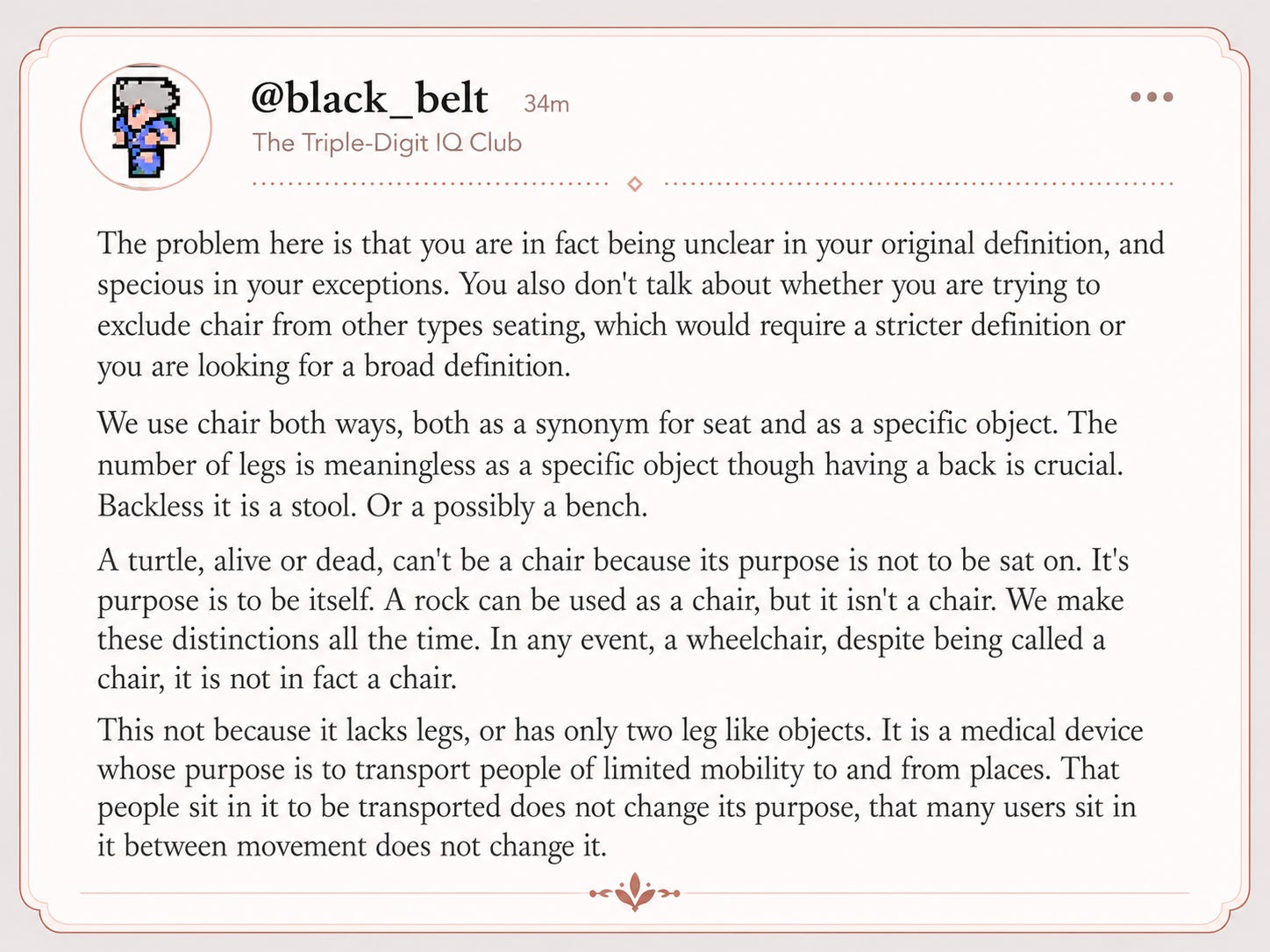
Full text in footnote1
“The problem here is that you are in fact being unclear in your original definition, and specious in your exceptions.”
Certainly! You detected that quite astutely. That was purposeful, though. What I am putting forward is that words do not have pure definitions — despite what Plato might’ve told you with his perfect forms. Prescribing language, like prescribing the soul of the perfect chair, is just fundamentally not how words work in spoken tongues.
In this realm, Wittgenstein > Plato.
Reject Plato and his silly object-souls, my friend. Perfect forms are silly. Prescriptive language is absurd. All the cool kids today follow Wittgenstein’s Family Resemblance understanding of words. Because it’s how language actually acts, and keeps every conversation from devolving into two people screaming about two different things at each other, thinking they’re talking about the same thing.
A word’s meaning relies on so many incredibly complex and varied nuances which are unique to every individual person, varying by culture, family communication, childhood interpersonal development, lived experiences, education, how sleepy they are when asked, and a bunch more aspects.
Every person’s view of a given word is unique to them. Neuro-linguistically speaking, we’re all unique snowflakes, my buddy.
I can point to a shoe and say “That’s a flibbidyfoo”, and, in that utterance, that shoe IS a flibbidyfoo.
If that seems silly, strange (it is, it is), think of local vernaculars. In local communities, words get changed to mean different things, become ‘you had to live there’ figures of speech, or are generated and passed around the community until some of them become the regular local customary terms for things.
If I lived in a little Oklahoman community of a few dozen hundred people, and some eccentric well-off town-clown opened a shoe shop 225 years ago, and insisted on calling them flibbidyfoos, until, eventually, it caught on — now for 200+ years, this little interconnected community of a few thousand people typically say “flibbidyfoo” instead of shoe when they’re talking to each other… does “flibbidyfoo” NOT mean shoe, to them, in their use of it? Is flibbidyfoo NOT their word for shoe?
And that’s the whole point. There is no universal, authoritative, prescriptive authority of “This word MUST refer to things that match these characteristics, and do NOT match these other ones”.
There are no cosmic police out there who will come down and demand you show your shame and pay penance for using a word in a way other than its one intended, allowed way, as though it is woven through the fabric of reality.
That just doesn’t exist in our world. Never has. Language is sloppy. You can make an argument that machines speak in more pure mathematics, I guess, but us homo sapes have sloppy tongues. You should hear the multilinguals!
“You also don’t talk about whether you are trying to exclude chair from other types seating, which would require a stricter definition or you are looking for a broad definition.”
Correct again, my guy! I kept it broad like female.

“We use chair both ways, both as a synonym for seat and as a specific object.”
Or a chair of a meeting.
Or as the chair of Oxford’s department of political philosophy
Or as the leading position in an ensemble, e.g. “she plays first chair violin”
But hey, forget all that, did you know they’ve put chairs in those specific objects, our pants, these days? Modern times, amirite? “It IS the future!"
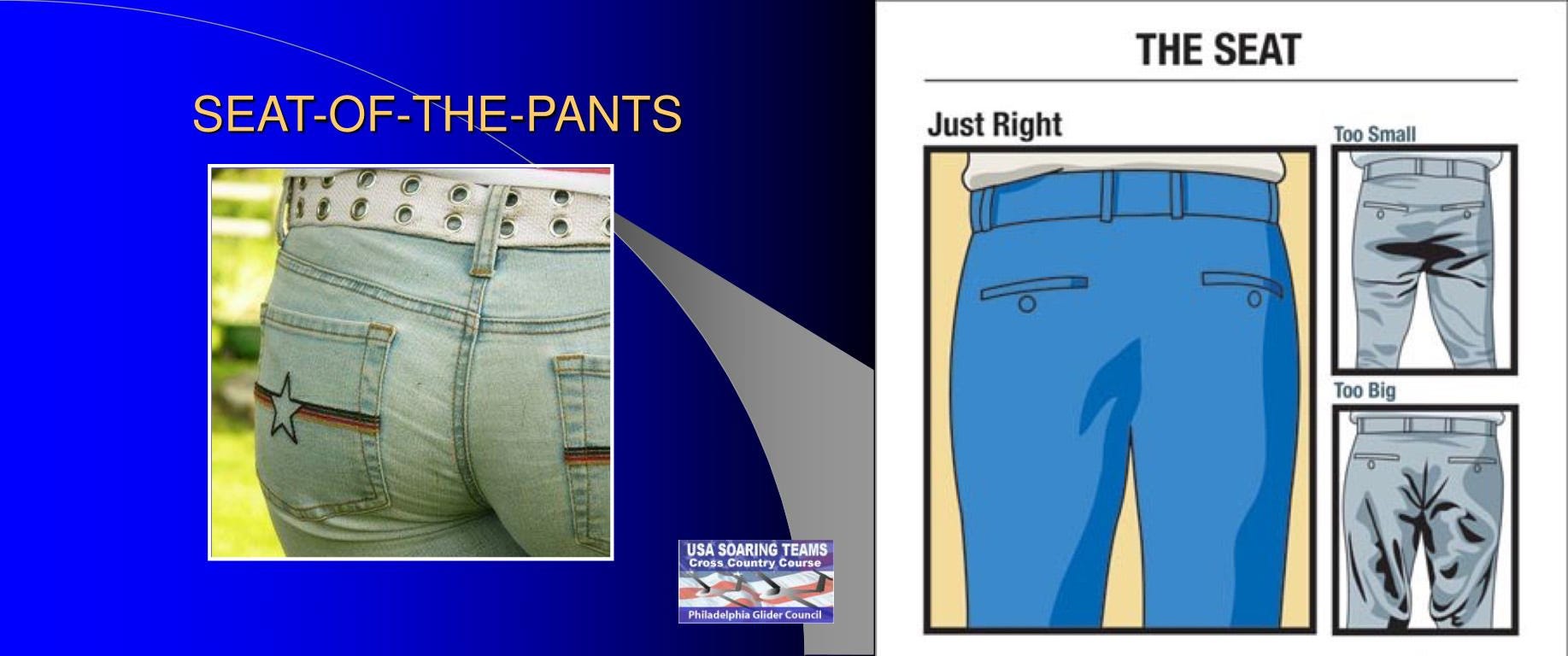
The number of legs is meaningless as a specific object though having a back is crucial. Backless it is a stool. Or a possibly a bench.
Look at this deal I found on a chair!
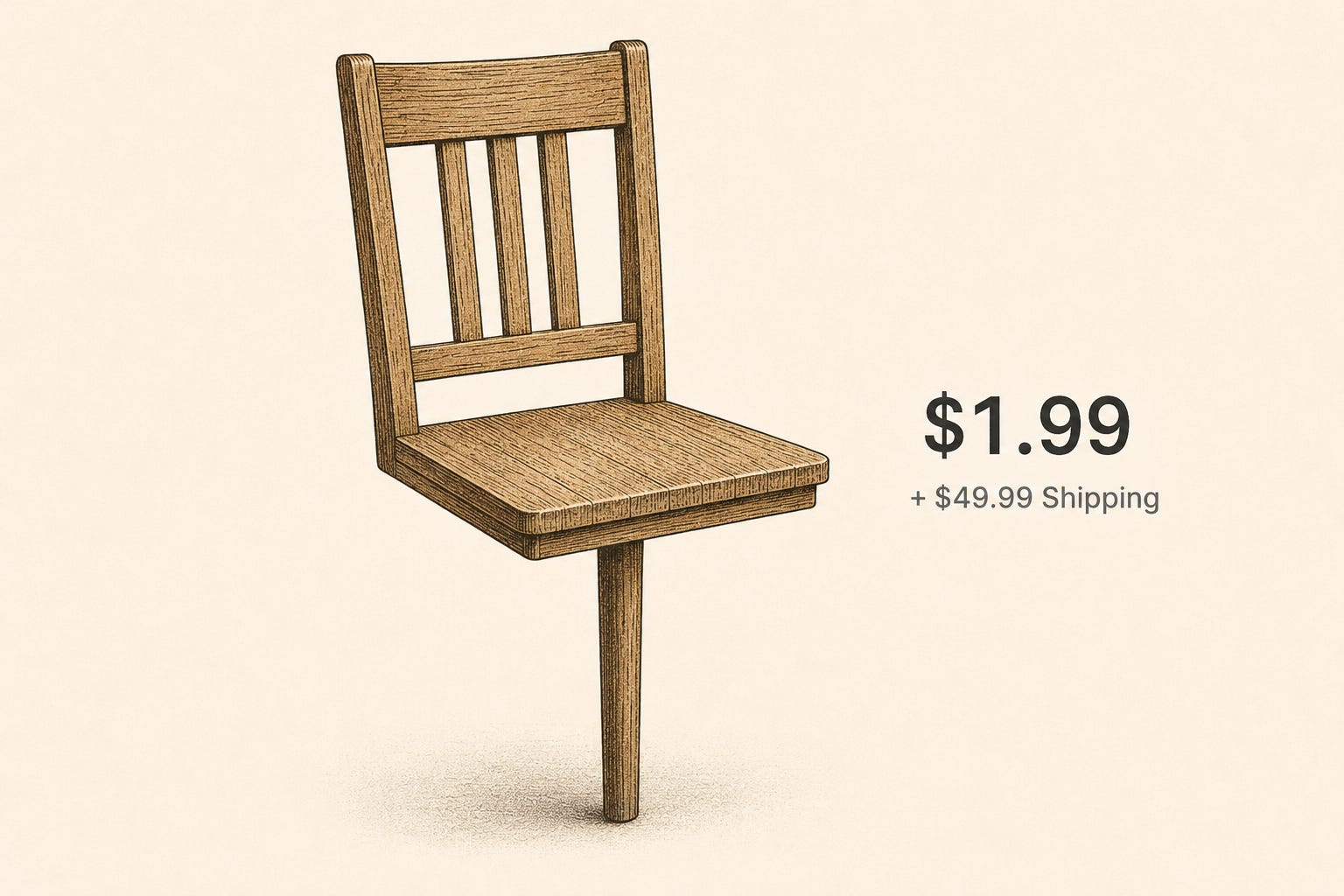
“A turtle, alive or dead, can’t be a chair because its purpose is not to be sat on.”
But what if it is?
Some prehistoric tribe had their most skilled artisan and his two sons carve intricate patterns out of the sea turtle’s shell after they evicted the rest of the turtle, and positioned it just right so that it served as their leader’s cave-throne for 200 years and three family dynasties. …are YOU going to tell that king he’s not sitting on a chair?
Or is it a chair because it’s been scooped out? What if the sea turtle was taxidermied and had an ass groove carved into its shell to sit on? Is it a chair now? What about before it was taxidermied? What about while it’s dying? What about if it’s a living turtle bound to the floor with a sittable ass-groove in its back for the king? Where does the magical chair essence depart? I contend that it doesn’t. Because chairs aren’t real. They’re abstracted sounds we make to represent the idea of a chair, and we all have different ideas. Your ideas are just that - your ideas. Tons of people around the world consider a wheelchair to be a chair. You deciding it is not a chair does not make it not a chair for those people.
“It’s purpose is to be itself. A rock can be used as a chair, but it isn’t a chair. We make these distinctions all the time.”
Got it.
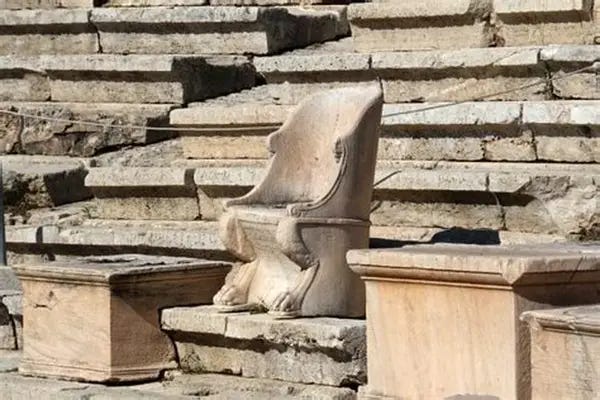
“In any event, a wheelchair, despite being called a chair, it is not in fact a chair.”
The hot take of hot takes!
“This not because it lacks legs, or has only two leg like objects. It is a medical device whose purpose is to transport people of limited mobility to and from places.”
That’s its purpose when it’s used for that purpose. I had a family member who used a wheel not-a-chair, and many times its purpose was to hold my butt off the floor while I watched TV. Sometimes its purpose was to pop wheelies. It wasn’t a chair or a medical device then. … it was an ATV.
“That people sit in it to be transported does not change its purpose, that many users sit in it between movement does not change it.”
So if the four wheels of a wheelchair are replaced with legs, it is still not a chair, because it was originally designed to transport people and not keep them stationary, even tho it is being used as such now?
What if someone still pushes the four-legged replacement version and slides someone to a hospital on it? Did it stop being a chair? Just temporarily, or permanently? Was it a chair again when he stopped pushing the chair at red lights?
What if we glue little posts under each wheel??
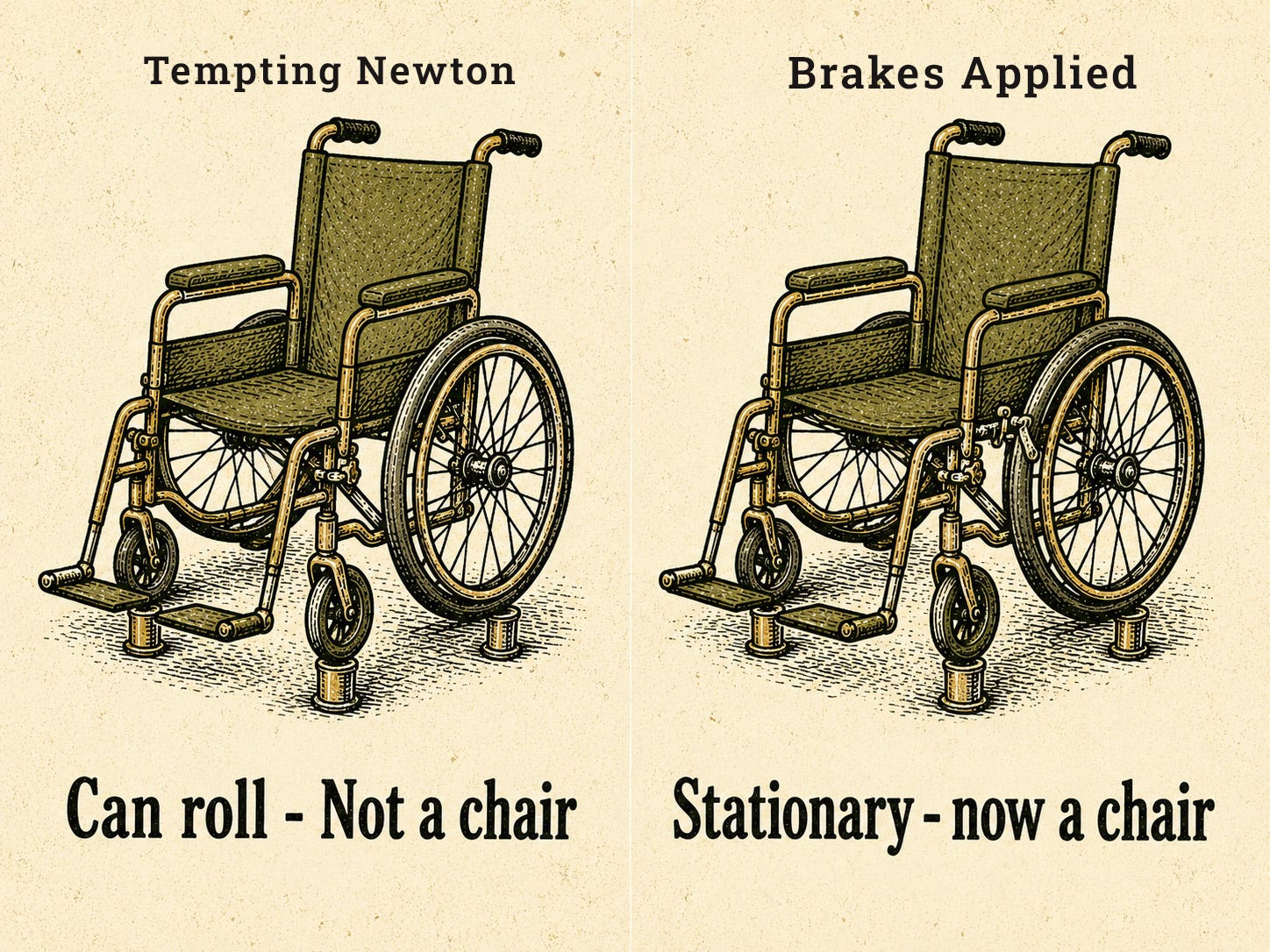
A project like this does not become real when everyone nods along.
It becomes real when someone pushes back and the pushback itself becomes material.
So:
First critique received.
Chair essence questioned.
Turtle throne entered into evidence.
Wheel not-a-chair briefly served as an ATV.
The Club continues.

Original comment from the featured image:
The problem here is that you are in fact being unclear in your original definition, and specious in your exceptions. You also don't talk about whether you are trying to exclude chair from other types seating, which would require a stricter definition or you are looking for a broad definition.
We use chair both ways, both as a synonym for seat and as a specific object. The number of legs is meaningless as a specific object though having a back is crucial. Backless it is a stool. Or a possibly a bench. A turtle, alive or dead, can't be a chair because its purpose is not to be sat on. It's purpose is to be itself.
A rock can be used as a chair, but it isn't a chair. We make these distinctions all the time. In any event, a wheelchair, despite being called a chair, it is not in fact a chair. This not because it lacks legs, or has only two leg like objects. It is a medical device whose purpose is to transport people of limited mobility to and from places. That people sit in it to be transported does not change its purpose, that many users sit in it between movement does not change it.